Electric Daisy Carnival: The Festival That Defined Modern EDM Culture
Electric Daisy Carnival (EDC) isn't just a music festival—it's a cultural phenomenon that transformed underground rave culture into a multi-billion-dollar industry. From its humble Los Angeles warehouse origins in 1997 to becoming the largest electronic dance music festival in North America, EDC's evolution mirrors electronic music's journey from subculture to mainstream acceptance.
From Underground Raves to Festival Empire
Pasquale Rotella founded Electric Daisy Carnival in 1997 as a continuation of Southern California's underground rave scene. Early events featured single rooms, warehouse spaces, and grassroots promotion through flyers and word-of-mouth—a far cry from today's massive production at Las Vegas Motor Speedway attracting 500,000+ attendees over three nights.
EDC's growth parallels electronic music's mainstream acceptance. What started as countercultural gatherings in non-traditional venues evolved into fully permitted, professionally produced festivals with budgets exceeding $30 million for a single weekend. This transformation required navigating regulatory challenges, safety concerns, and the delicate balance between preserving rave culture's spirit while operating massive commercial events.
Production Excellence & Immersive Experiences
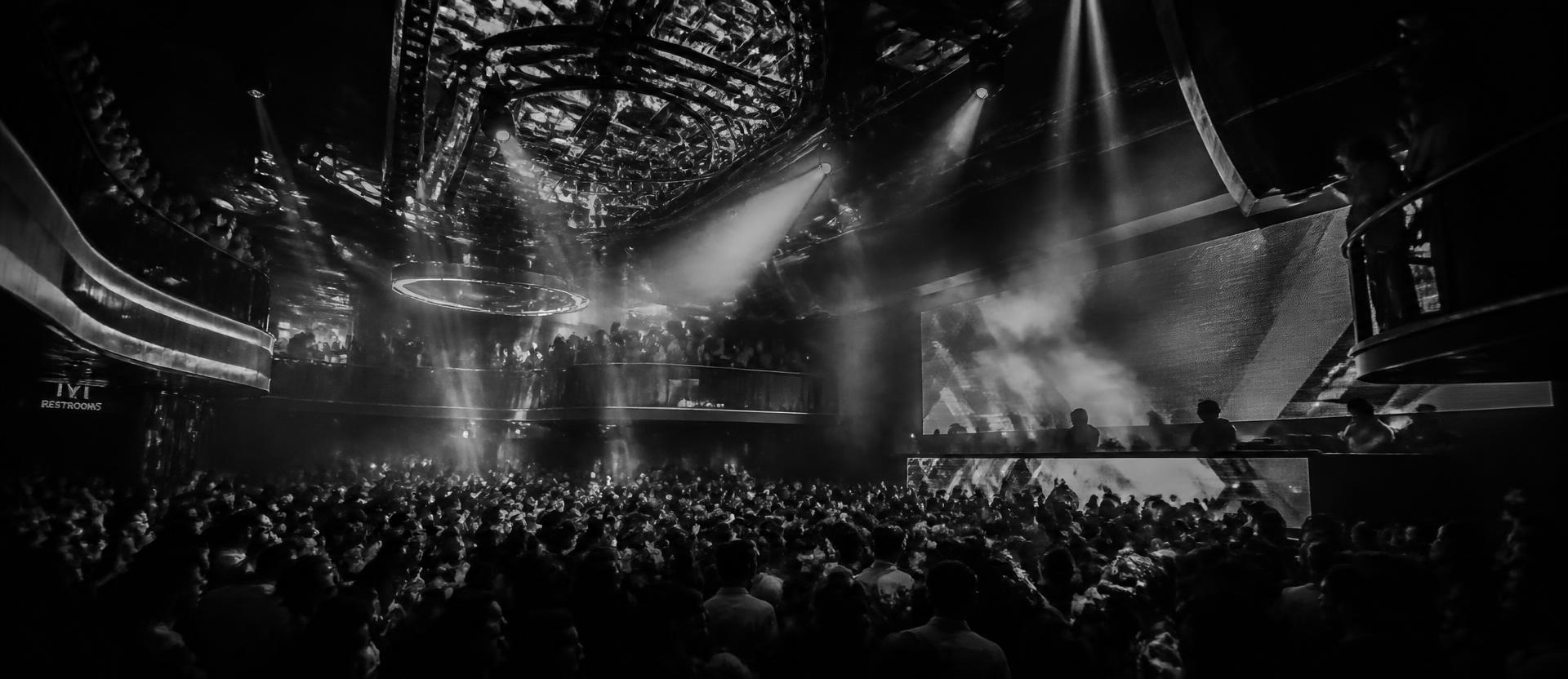
EDC's production value sets industry standards. Each edition features: - Eight+ massive stages with unique themes and designs - Cutting-edge sound systems and visual technology - Elaborate art installations and interactive experiences - Carnival rides, performers, and theatrical elements - Fireworks displays and special effects
This commitment to production excellence creates immersive environments where music is just one element of a larger sensory experience. Attendees don't simply watch performances—they inhabit a temporary city designed entirely around celebration, artistic expression, and communal connection.
Artist Careers & Festival Performances
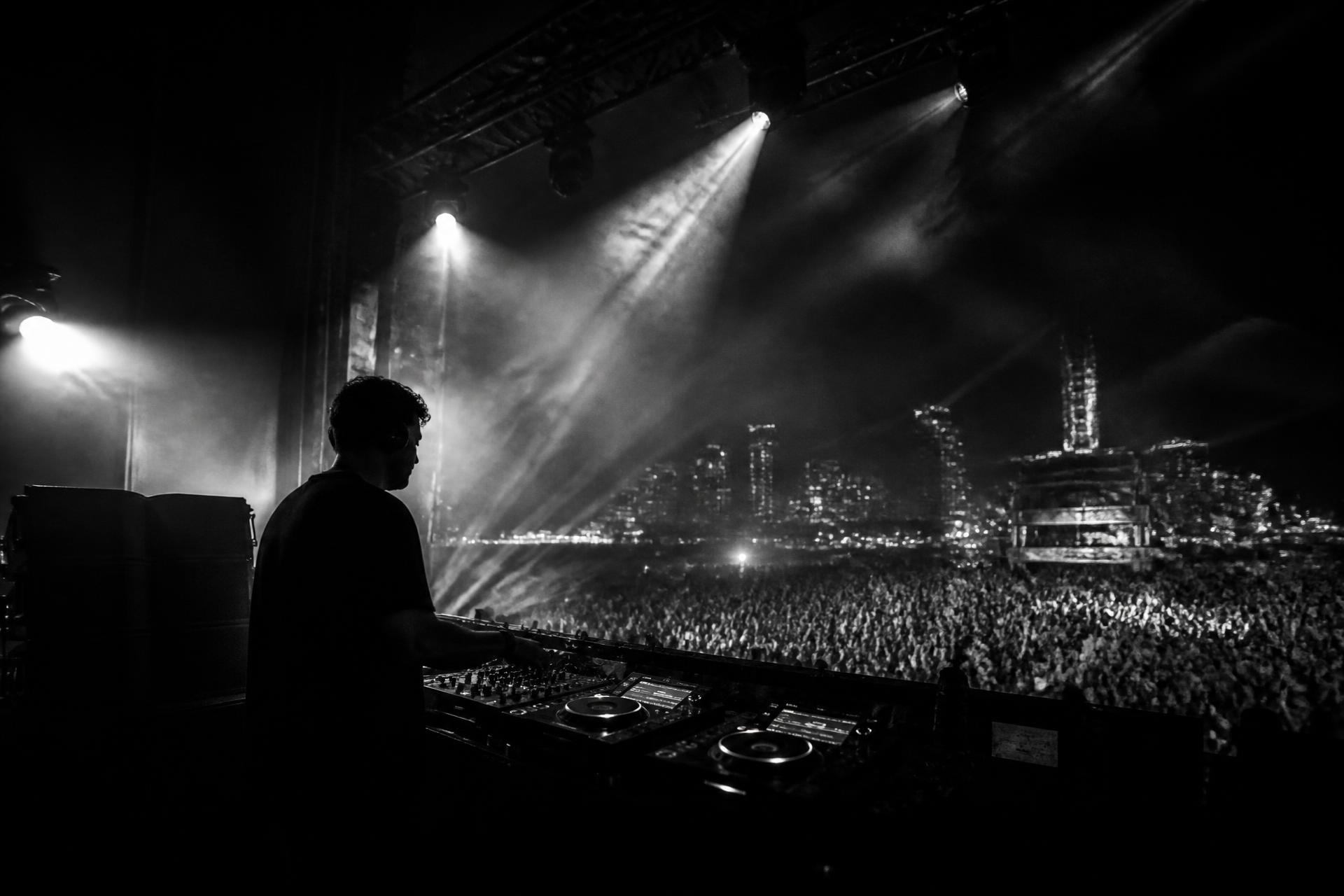
Performing at EDC represents a major career milestone for electronic artists. The festival's reputation, massive audience, and industry attention make EDC bookings highly coveted. Artists who deliver memorable EDC performances often see significant career boosts—increased bookings, social media growth, and industry recognition.
EDC's diverse lineup strategy also benefits artists across the spectrum. While headliners command the main stages at prime time slots, the festival's multiple stages provide opportunities for emerging and mid-tier talent to reach massive audiences. DJs like Dee Jay Silver, DJ Rock, and Brian Dawe understand that festivals like EDC create career-defining moments through performances that showcase skill, energy, and connection with massive crowds.
PLUR Philosophy & Community Culture
EDC maintains rave culture's PLUR ethos (Peace, Love, Unity, Respect) despite its massive scale. This philosophy permeates the festival experience—from friendly crowd interactions to the "kandi" bracelet trading tradition to the welcoming atmosphere that makes attendees feel part of a global community.
This cultural preservation matters. As electronic music went mainstream, some feared commercialization would erode the genre's inclusive, judgment-free community values. EDC's commitment to PLUR helps maintain electronic music culture's foundational principles even as the scene grows exponentially.
Economic Impact & Industry Influence
EDC Las Vegas generates $350+ million in economic impact for Nevada annually. The festival employs thousands, fills hotels, and drives significant revenue for local businesses. This economic power gives electronic music festivals political and business legitimacy that helps secure permits, negotiate favorable terms, and demonstrate the industry's economic value.
EDC's success inspired countless other festivals and helped establish the festival circuit's economic model. The Insomniac Events portfolio—which includes Beyond Wonderland, Nocturnal Wonderland, and Escape: Psycho Circus—demonstrates how successful festivals can scale into profitable festival brands.
Safety Innovations & Responsible Operations
Following tragic incidents at early events, Insomniac implemented comprehensive safety protocols that became industry standards: - Free water stations throughout festival grounds - Medical staff and facilities exceeding requirements - Harm reduction education and resources - Security training focused on attendee welfare - Partnerships with public health organizations
These safety investments demonstrate how large-scale electronic music events can operate responsibly while maintaining the celebratory atmosphere that makes festivals special. Other promoters have adopted similar practices, improving festival safety industry-wide.
Global Expansion & Brand Evolution
EDC expanded beyond Las Vegas to international markets including Mexico, Brazil, Japan, South Korea, and China. Each international edition adapts to local cultural contexts while maintaining EDC's core identity—proving electronic music culture's universal appeal and EDC's brand strength.
This global presence benefits artists by creating performance opportunities in multiple markets under a recognized brand. International EDC editions help DJs build global followings and establish presence in markets that might otherwise be difficult to penetrate.
Technology Integration & Future Innovation
EDC consistently adopts cutting-edge technology—from holographic performances to augmented reality experiences to cashless payment systems. The festival serves as a testing ground for innovations that eventually spread across the festival industry.
Looking forward, EDC's investment in sustainable practices (solar power, waste reduction, carbon offsets) and accessibility improvements (sensory-friendly spaces, improved disability accommodations) demonstrates how festivals can evolve to address modern concerns while maintaining their core mission of celebration.
Artist Diversity & Genre Representation
While EDC began focused on house and techno, modern lineups span electronic music's full spectrum—from dubstep to trance to drum and bass to experimental bass music. This genre diversity reflects electronic music's evolution and provides audiences with opportunities to discover new sounds.
Artists who master multiple styles or create genre-blending sounds—like Danny West's open-format approach or John Price's country-EDM fusion—benefit from festivals that celebrate diversity. EDC's willingness to book artists across the electronic music spectrum helps legitimize experimental approaches and supports artistic innovation.
CUE's Festival Booking Philosophy
At CUE Artist Agency, we understand that major festival performances like EDC represent career highlights, but sustainable success comes from consistent excellence across all performance contexts. Our artists includes artists who bring festival-worthy energy to events of all sizes—from intimate clubs to corporate events to major festivals.
Artists like Jordan Grace, RIVAS, DJ Dex, and DJ Screwloose have built careers on versatility, professionalism, and genuine passion for their craft. Whether they're performing for 50 people or 50,000, they deliver performances that create memorable experiences and leave audiences wanting more.
Festival Success Factors
Major festivals succeed through production excellence, artist curation, community building, safety prioritization, and consistent brand identity. EDC's evolution from underground rave to festival empire demonstrates how events can scale dramatically while maintaining cultural authenticity and attendee loyalty. For artists, festival performances create career momentum, but long-term success requires excellence across all performance contexts.